
3 hr
Dordogne Valley Canoe Adventure: Five Castles Route
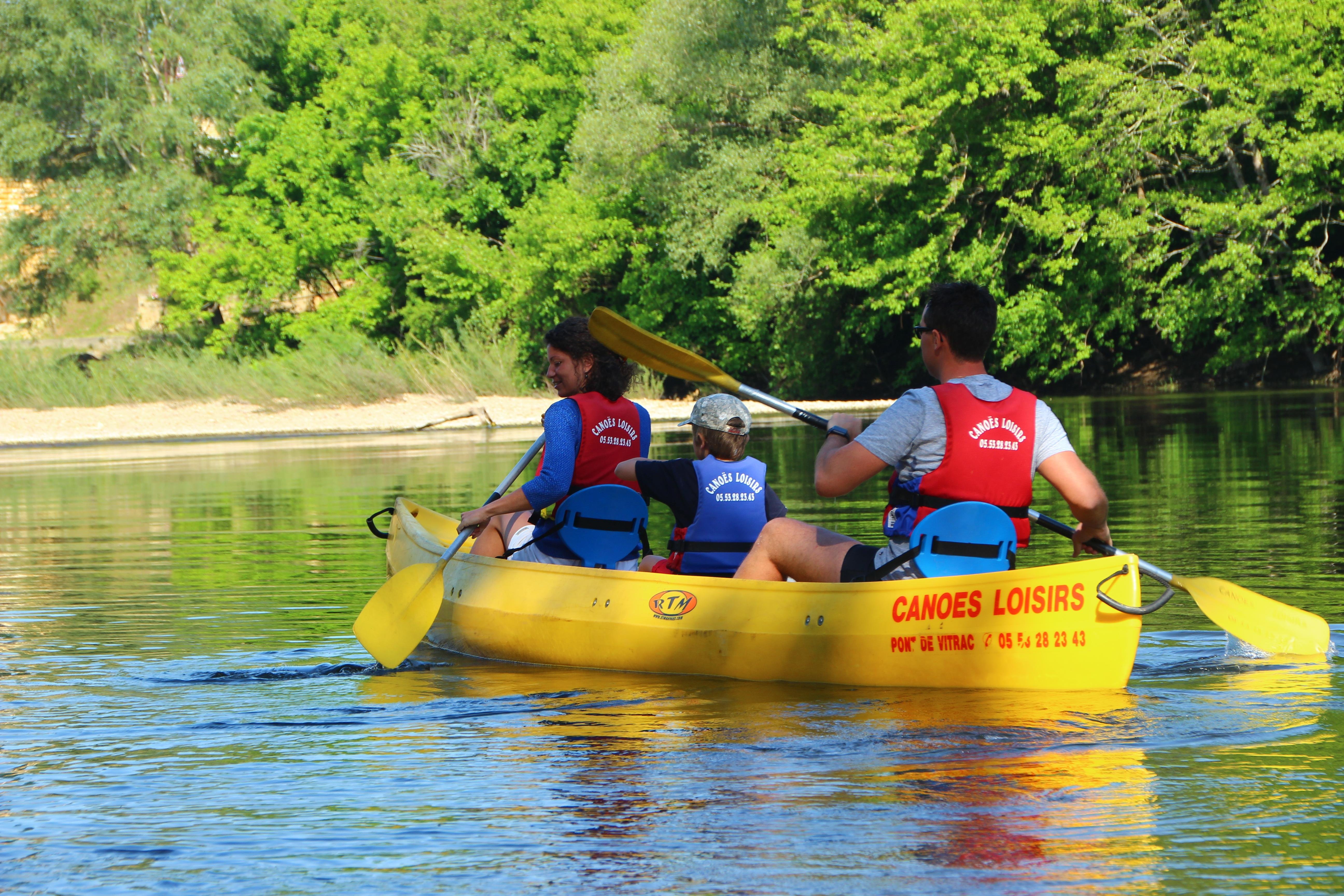
Paddle through stunning riverside scenery past medieval villages and castles at your own pace
Reserve
Hand-picked by our editors — only the best 5 village tours from 18 reviewed.
Verified partners for every tour, free cancellation where available, and instant confirmation on every booking.
3 hr
Paddle through stunning riverside scenery past medieval villages and castles at your own pace
Reserve
4 hr
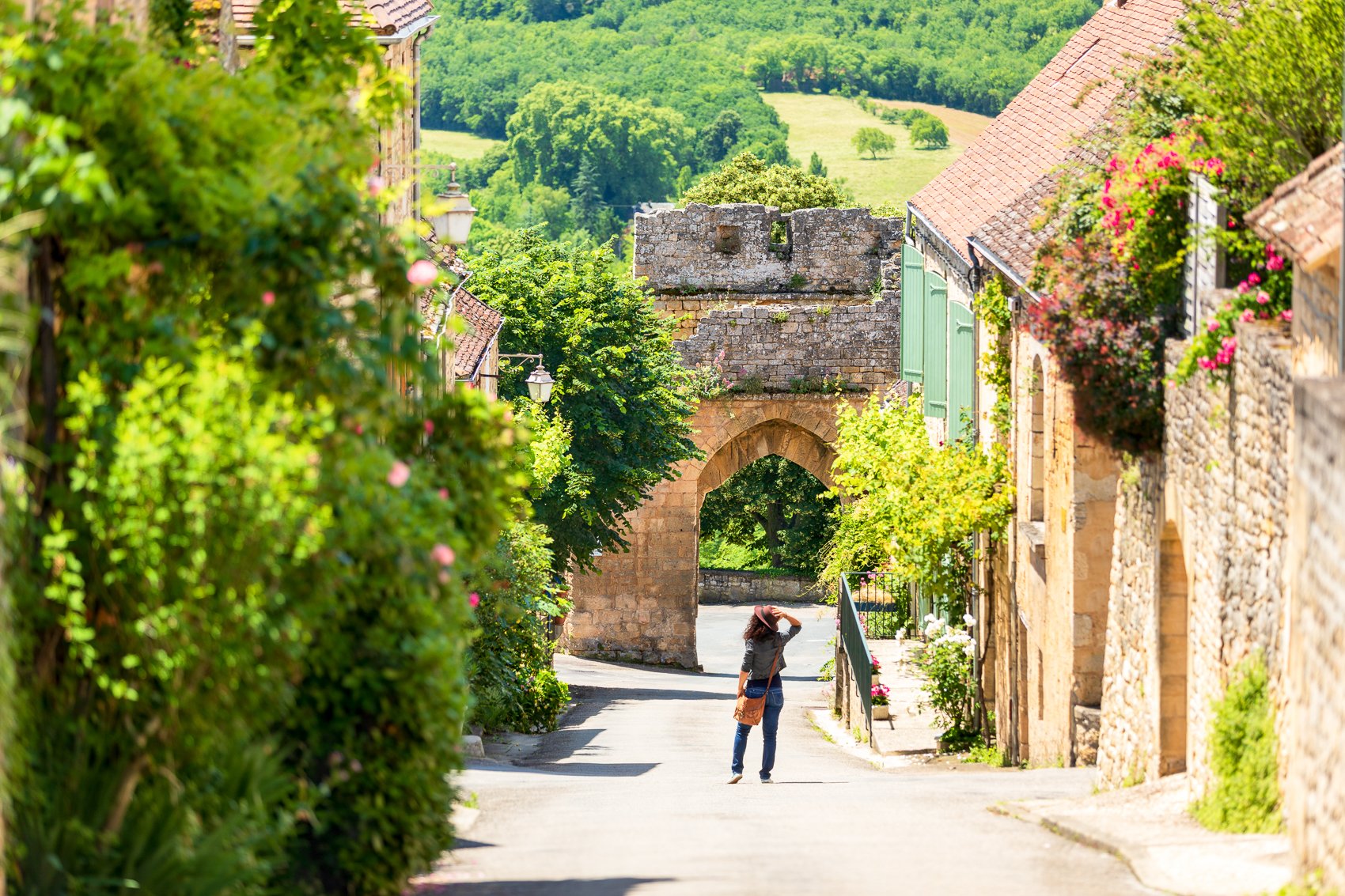
Discover medieval bastides and clifftop castles on a half-day journey through the Dordogne Valley.
Reserve
8 hr
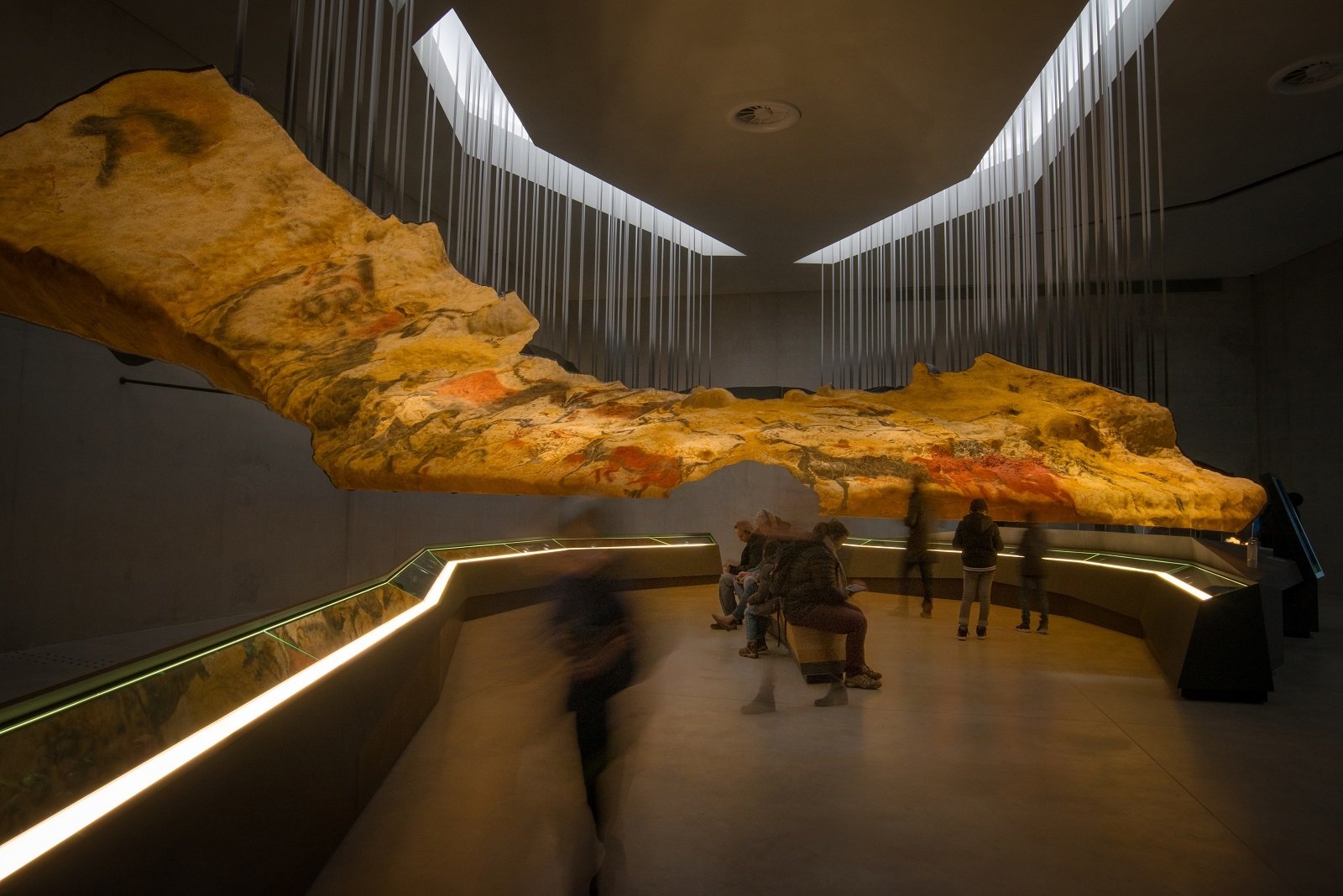
Explore 17,000-year-old cave art, Europe's premier prehistory museum, and dramatic cliffside dwellings
ReservePrices from verified partners. Availability updates in real time at checkout. Free cancellation policies apply where shown.
The landmarks, rooms, and views travelers on this tour remember — all visible on a single visit.
This 12th-century fortress played a key role during the Hundred Years' War and sits atop a limestone cliff. It overlooks the river valley with a vantage point once held by Richard the Lionheart.
This village is built directly into the side of a cliff, protecting it from the elements for centuries. It features exotic gardens due to its unique south-facing microclimate.
Founded in 1281, this fortified town offers panoramic views of the entire valley from its hilltop position. It remains a prime example of French medieval military architecture.
This landmark houses a renowned museum dedicated to medieval warfare and weaponry. It sits opposite its rival fortress, Beynac, reflecting the historical tensions of the region.
The riverbanks offer a unique perspective of the cliffside villages from the water level. Navigating the river has been a primary transport method in the region for centuries.
Choosing between these options depends on your preference for medieval architecture versus Paleolithic archaeology; the village route is ideal for photography, while the prehistoric tour offers unmatched historical immersion.
| Feature | Top pick Village Half-Day Tour | Lascaux Prehistoric Tour |
|---|---|---|
Focus |
Medieval Architecture and Scenery | Paleolithic Cave Art and Archaeology |
Primary Activity |
Village Sightseeing and Walking | Museum Exhibition and Site Exploration |
Depth of History |
Middle Ages and Renaissance | Upper Paleolithic Period |
Pace |
Leisurely and Flexible | Structured and Guided |
Suitability for History Buffs |
Moderate - Cultural Interest | High - Academic and Scientific |
| See tickets → |
Verdict: For those securing dordogne villages half day tour from sarlat tickets, the experience focuses on regional aesthetics, whereas the full-day prehistoric alternative provides the essential context for Dordogne Valley landmarks.
Choose your ticket, select your date, and reserve in under two minutes. Secure checkout handled by our verified partner.
Instant confirmation by email, with a mobile voucher you can save offline. No printing, no queuing at a collection desk.
Arrive at the entrance, show your voucher on your phone, and walk in. Most tickets include priority or skip-the-line access.
Practical details for your visit straight from our verified partners — hours, access, rules, and how to get there.
https://www.sarlat-tourisme.com
Main departure point for local tours.
Follow the D704 and D57 towards the river valley for the most direct route.
Regional bus lines connect major villages, though schedules are limited.
Wear comfortable walking shoes suitable for cobblestone streets when taking a dordogne villages half day tour from sarlat. Modest clothing is recommended if you plan to enter local parish churches.
Keep personal belongings secure while walking through the village squares. Backpacks are permitted, but space in transport vehicles during a dordogne villages half day tour from sarlat may be limited.
Photography is permitted throughout the public areas of all villages visited. Respect local residents by not photographing private interiors or property without permission.
Many medieval village streets feature steep inclines and uneven limestone paving. Some dordogne villages half day tour from sarlat routes may be challenging for visitors with limited mobility.
Mobile reception is generally reliable in the Dordogne Valley. Keep devices charged to assist with navigation in rural areas.
The region is suitable for families, though pushchairs may be difficult to maneuver on medieval slopes. Engaging in a dordogne villages half day tour from sarlat provides educational historical context for children.
Numerous cafes and bakeries offer local delicacies like walnuts and duck confit. Carry water during a dordogne villages half day tour from sarlat, especially during the summer heat.
Small pets are typically permitted on private transport but must be leashed. Always verify pet policies for each specific dordogne villages half day tour from sarlat operator.
The dordogne villages half day tour from sarlat highlights architectural styles from the 12th to 16th centuries. Always verify weather conditions before departure.
https://www.sarlat-tourisme.com
Main departure point for local tours.
Get directionsBest time to go, insider tips, nearby landmarks, and the cancellation fine print — flip through to skim what matters to you.
How crowds, weather, and events shift across the year.
Mild temperatures make the dordogne villages half day tour from sarlat comfortable for walking.
Expect high temperatures and peak crowds; arrive early between 09:00–11:00.
Cooler air and fewer crowds are ideal for exploring historical sights.
Some facilities may have reduced hours, but the villages remain open for public access.
Small details that turn a good visit into a great one.
Begin your dordogne villages half day tour from sarlat by 09:00 to avoid the busiest afternoon hours.
Prioritize sturdy shoes as the limestone streets can be slippery.
Keep a bottle with you during summer months as high temperatures occur frequently.
Visit Sarlat on a market day to experience local produce before your tour.
Learning simple French greetings is appreciated by the local residents.
Non-bookable sights within a short walk — free to visit, easy to pair.
A medieval fortress perched high above the Dordogne River.
Famous for its manicured boxwood gardens and cliffside views.
A precise reproduction of prehistoric cave paintings found in the region.
Flexible, no hidden fees.
Full refunds are available for any dordogne villages half day tour from sarlat if cancelled 24 hours before departure. There is a 0 EUR fee for accessing the public streets of the villages themselves.
Hand-picked options within walking distance — pick a district for vibe, or a specific hotel for convenience.
Central district with numerous historic hotels.
Area offering views of the river and nearby cliffs.
Hilltop accommodations with panoramic valley vistas.
Sarlat-la-Canéda anchors a circuit of fortified villages that condensed seven centuries of frontier warfare into honey-coloured limestone and slate. Between the 12th and 15th centuries, the Dordogne River marked the shifting border between French and English territory during the Hundred Years' War, and the valley's escarpments became a strategic chessboard. Villages like Beynac and Castelnaud faced each other across the water as rival strongholds, their châteaux alternating allegiance with each treaty and siege. Domme, founded in 1281 by Philip III as a bastide royale, perched 150 metres above the river with its grid of arcaded streets and three fortified gates still intact. La Roque-Gageac nestled against a south-facing cliff to trap winter sun and shelter subtropical gardens that survive frost-free to this day. The Dordogne villages half day tour from Sarlat departs from the medieval quarter where Saturday's market has convened since the 9th century beneath the Lantern of the Dead, a conical stone tower whose original purpose scholars still debate. Most excursions follow the D703 south to Beynac-et-Cazenac, where Richard the Lionheart seized the castle in 1189 and Simon de Montfort besieged it in 1214 during the Albigensian Crusade. The keep's double curtain walls and machicolated gallery remain among the purest examples of 13th-century military architecture in southwestern France. Across the river, Château de Castelnaud now houses Europe's largest collection of medieval weaponry, including a working trebuchet that launches 100-kilogram projectiles during summer demonstrations. Domme's limestone escarpment holds a network of caves that served as refuge during the Wars of Religion and as a clandestine market during the Revolution. The village's porte des Tours, a twin-towered gate, preserves Templar graffiti carved by knights imprisoned there in 1307 after Philip IV dissolved the order. La Roque-Gageac, ranked among France's Plus Beaux Villages, clings to its cliff in a single street, its troglodyte dwellings and Manoir de Tarde reflecting in the river below. The village was sacked by Vikings in 862, rebuilt by bishops of Sarlat in the 10th century, and partly destroyed by a 1957 rockfall that killed three residents and prompted the cliff's permanent stabilization. Guided village tours trace the Dordogne's role as a prehistoric trade route, a Roman navigation corridor, and a Renaissance transportation artery that moved Bordeaux wine and Bergerac tobacco upriver to Souillac and Argentat. The valley's golden light, filtered through morning mist and reflected off the river, attracted Henry Miller in 1934 and continues to draw painters and photographers to its September harvest season.
"The Dordogne River marked the shifting border between French and English territory, and the valley's escarpments became a strategic chessboard."
A step-by-step walkthrough of the visit — what you'll see, how long each stage takes, and the details that matter.
You meet your guide in Sarlat's Place de la Liberté at 09:00, beneath the stone arches of the former bishopric, and board a climate-controlled minibus for the 12-kilometre drive south along the Dordogne. Your first stop is Beynac, where you climb the village's cobbled ramp past half-timbered houses to the château's outer ward. The keep rises four storeys above you, its limestone walls honey-gold in the morning light. Your guide points across the river to Castelnaud's silhouette on the opposite cliff and explains the siegecraft that passed the castle between French and English hands eleven times in two centuries. You descend to the riverbank and continue to Domme, entering through the porte des Tours with its Templar inscriptions still visible in the guardroom. The bastide's covered market hall occupies the square's centre, and you walk the rampart path to the Belvédère de la Barre, a terrace overlooking 40 kilometres of river valley. Your guide unlocks the entrance to the grottes beneath the square, and you descend into chambers where Huguenot families sheltered during the 1580s. The final village is La Roque-Gageac, where you walk the single riverside lane past the Manoir de Tarde's Renaissance turrets and tropical garden. The morning ends at 13:00, leaving the afternoon free for Sarlat's market or a canoe descent from Vitrac.
The public streets of the villages are accessible daily from 09:00–18:00.
Some steep paths make the dordogne villages half day tour from sarlat difficult; please check specific site accessibility.
There is a 0 EUR entrance fee to visit the public streets on the dordogne villages half day tour from sarlat.
We recommend an arrival window of 09:00–11:00 to avoid crowds and heat during your dordogne villages half day tour from sarlat.
Yes, you can secure your dordogne villages half day tour from sarlat tickets through the official tourism site.
There are no specific age limits, though the tour involves significant walking on uneven ground.
Items like drones and large tripods are prohibited on the dordogne villages half day tour from sarlat.
Photography is encouraged in public areas during your dordogne villages half day tour from sarlat.
Policies vary by operator; please confirm pet rules when booking your dordogne villages half day tour from sarlat.