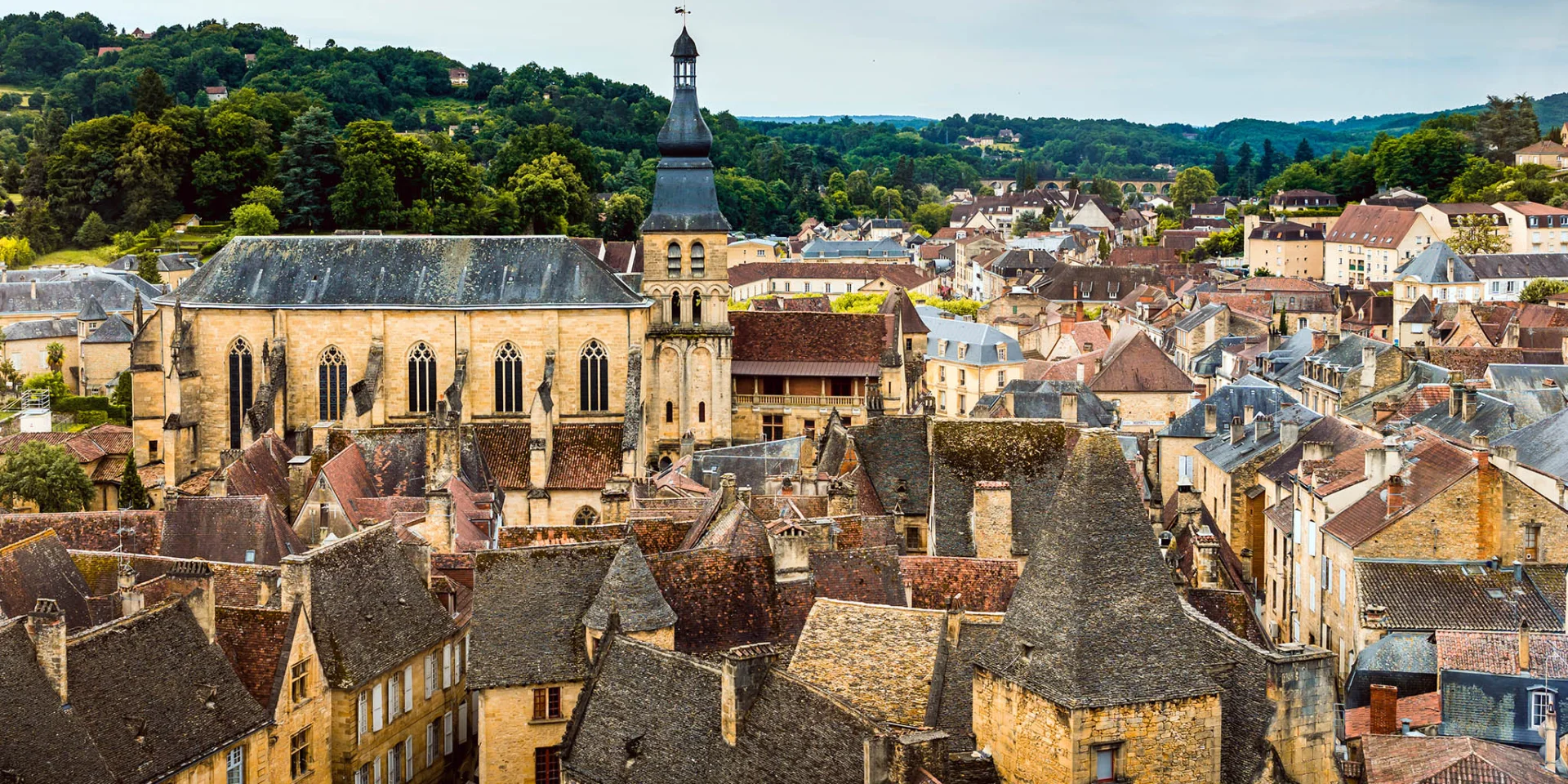
Sarlat-la-Canéda
15 min drive
This medieval town offers a dense concentration of preserved Renaissance architecture that contrasts with the valley's natural landscape.

The Dordogne holds more UNESCO World Heritage sites per square kilometer than almost anywhere in France, and deciding how long to stay shapes whether you skim the surface or settle into the valley's rhythm. This guide breaks down the ideal visit length based on what you want to see and how you prefer to travel.
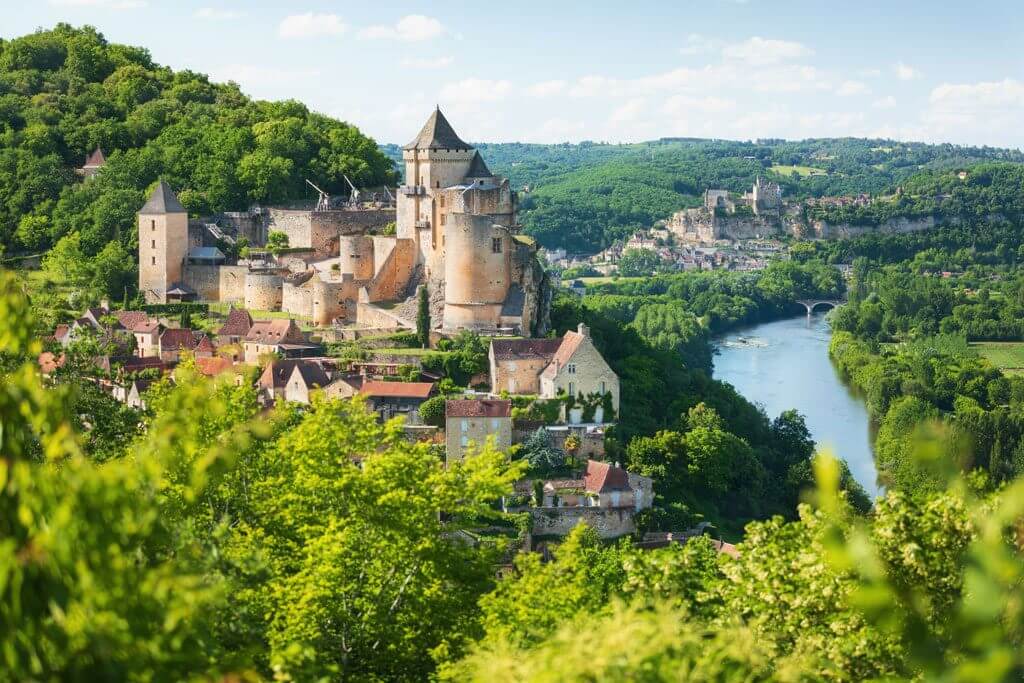
Quick answer
Most visitors find that 4 to 7 days in Dordogne strikes the right balance between covering the valley's highlights and avoiding travel fatigue. A 4-day trip handles the essential castles and one prehistoric cave site, while a full week allows time for market towns, riverside walks, and a second cave complex without doubling back. Solo travelers and couples often lean toward 5 days; families with children typically add an extra day or two.
The Dordogne Valley spans roughly 120 kilometers from Souillac in the east to Bergerac in the west, and its density of medieval fortresses, troglodyte villages, and Paleolithic cave art means distance alone does not dictate how many days in Dordogne you should plan. A short drive might connect two castles, but each merits an hour or more on-site, and the narrow valley roads reward slow travel rather than checklist sprints. Four days covers the core triangle: Sarlat-la-Canéda as your base, the clifftop bastides of Beynac and Castelnaud, the gardens at Marqueyssac, and a guided tour of Lascaux IV or Font-de-Gaume. That pace suits travelers folding the Dordogne into a broader Aquitaine loop. Stretching to five or six days opens space for the Vézère Valley's additional cave sites, a canoe descent between La Roque-Gageac and Beynac, and at least one market morning in Sarlat or Domme. Seven days lets you add Rocamadour to the east or the Bergerac vineyards to the west without sacrificing rest time between outings. The valley operates year-round, but summer crowds at Lascaux and the major castles lengthen visit times by 30 to 45 minutes. Arriving between 09:00 and 11:00 at popular sites minimizes wait times and catches cooler morning light in the medieval quarters. Entrance to the public valley itself is free; individual sites charge separately. Most travelers book accommodations in Sarlat, Les Eyzies, or one of the riverside villages, using a single base rather than moving hotels mid-trip. If your primary interest is prehistoric art, five days dedicated to the Vézère Valley's cluster of caves and museums delivers a focused experience. If castles and gastronomy drive the trip, a Dordogne stay length of six days balances fortress tours with vineyard stops and market visits. The valley rewards depth over breadth—returning to the same riverside terrace for dinner, walking the same ramparts at different hours, and allowing unscheduled time to follow hand-painted signs toward a roadside goat farm or walnut mill.
“The valley rewards depth over breadth, and the question is not how much you can see, but how fully you can see it.”
Three days covers the valley's signature châteaux and prehistoric sites at a comfortable pace. Five days adds rural villages and river time, while seven allows deeper exploration of lesser-known caves and market towns.
Start in Sarlat's medieval quarter, then visit Château de Beynac perched above the Dordogne River. Afternoon stop at Castelnaud's medieval warfare museum. Allow 6–7 hours including transfers.
Morning at Lascaux IV for the replica cave paintings, followed by the National Museum of Prehistory in Les Eyzies. Budget 5 hours; book Lascaux slots ahead.
Explore the hanging gardens of Marqueyssac with views over five châteaux, then loop through Domme's bastide ramparts. Half-day pace suits most visitors.
Walk the cliffside village of La Roque-Gageac, then take a gabarre boat ride on the Dordogne. Gentle morning, 3–4 hours total.
Day trip to Rocamadour's tiered sanctuary complex, 90 minutes north. Expect crowds mid-morning; arrive early or late afternoon.
Visit Périgueux Cathedral and the weekly market, then tour a truffle farm in the surrounding oak forests. Best November–March for truffle season.
Electric train through 8km of cave tunnels to see mammoth engravings, then lunch in Brantôme's riverside quarter. Reserve Rouffignac tickets 48 hours ahead.
The Dordogne Valley is located in the Nouvelle-Aquitaine region of France. The most practical approach for exploring the area is by car via the A20 motorway or by train to regional hubs such as Souillac or Sarlat.
SNCF TER line to Sarlat station
A20 motorway (L'Occitane)
Regional bus network to Sarlat
Plan your arrival for the best arrival window of 09:00–11:00. This timing allows you to avoid mid-day crowds at popular sites and enjoy cooler morning temperatures.
The Dordogne Valley is a public region accessible 24 hours a day throughout the week. Travelers are free to explore the landscape at any time.
Extending your time in the Dordogne Valley allows for deeper exploration of historic landmarks located just a short distance from the regional center. These locations complement a visit by providing additional context to the area's medieval and prehistoric heritage.
15 min drive
This medieval town offers a dense concentration of preserved Renaissance architecture that contrasts with the valley's natural landscape.
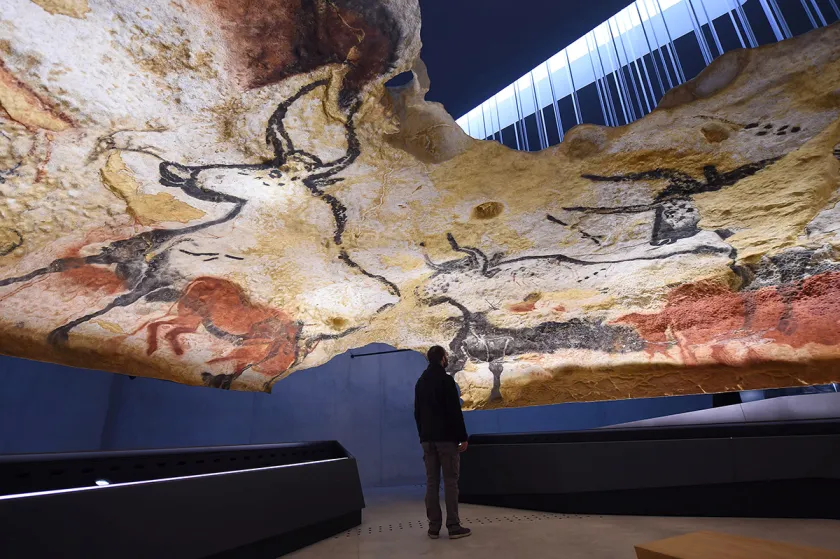
25 min drive
This site houses a precise reproduction of prehistoric cave paintings, providing a necessary counterpoint to the open-air sites in the valley.
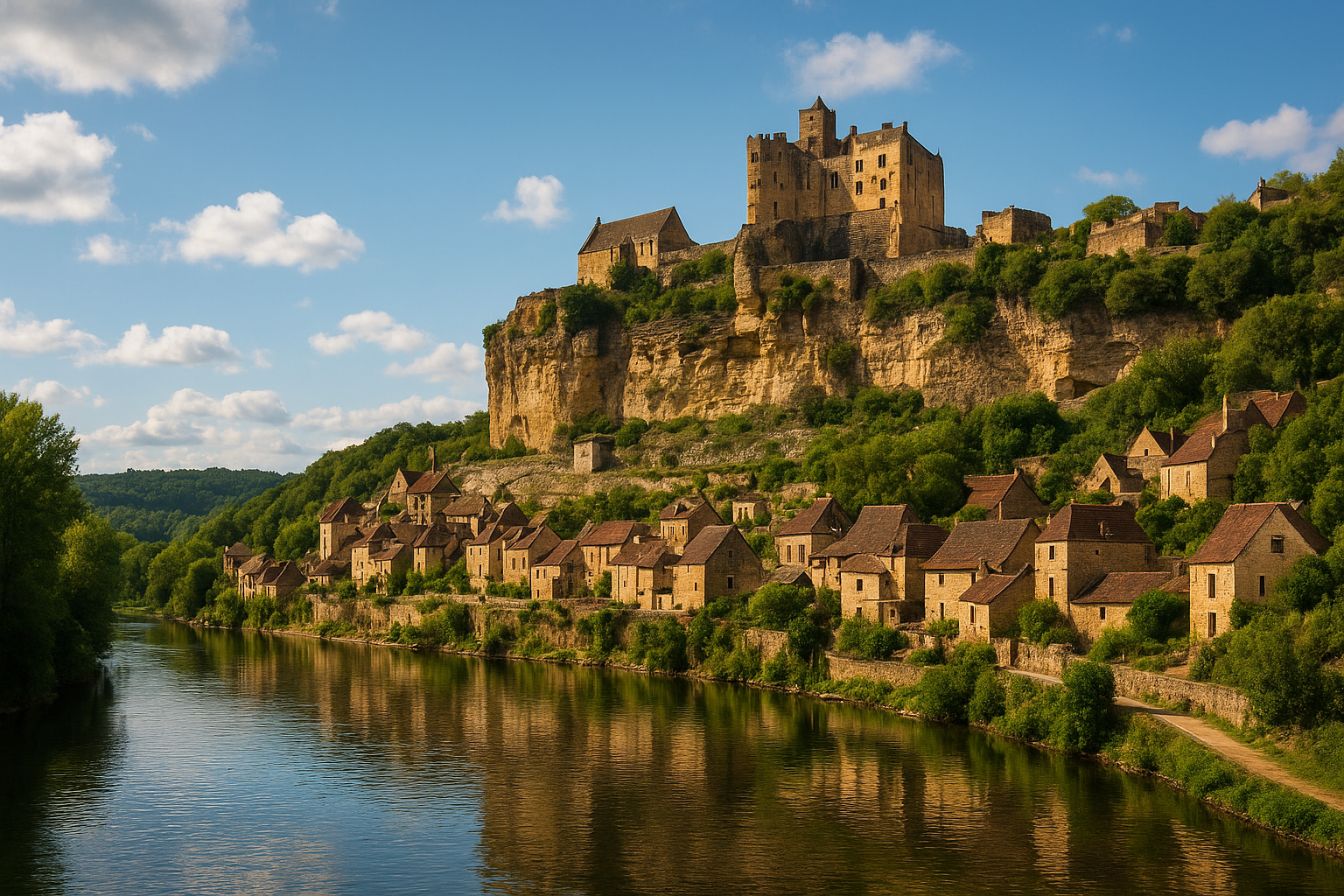
10 min drive
Perched on a high cliff, this village provides a clear view of the river fortifications often discussed in regional history tours.
Everything you need to know about how many days in dordogne
Most travelers find that spending three to five days allows for a balanced experience of the region's prehistoric caves, medieval castles, and river landscapes. Deciding how many days in dordogne you need depends largely on your interest in history and outdoor activities.
While it is possible to see a few highlights in a single day, this duration is often insufficient to fully appreciate the heritage sites and natural beauty. Planning how many days in dordogne you spend is key to avoiding an overly hectic itinerary.
A duration of five to seven days is often considered the ideal window for those wishing to explore beyond the main hubs. This timeframe gives you flexibility to enjoy local markets and scenic river trips without feeling pressured.
Longer stays allow you to visit hidden gems and quiet villages that many day-trippers miss. Extending your stay provides more opportunities to enjoy the regional gastronomy and relax in the calm atmosphere of the valley.
To truly appreciate the Dordogne without rushing, a minimum of four days is recommended. This allows you to combine guided tours with independent exploration of the limestone cliffs and charming riverside towns.
Yes, there is no entrance fee to access the public region of the Dordogne Valley. Visitors can explore the countryside freely, though specific attractions and tours within the area may have their own independent operational policies.