Quick answer
Yes, Périgord is in the Dordogne—in fact, Périgord is the historic and cultural name for the area that corresponds almost exactly to the modern Dordogne department. The administrative region created in 1790 took its name from the Dordogne River, while Périgord refers to the same territory's medieval identity. Both names describe the same place.
The Dordogne department encompasses 9,060 square kilometers in the Nouvelle-Aquitaine region, and Périgord is the name that the area carried for centuries before the French Revolution reorganized the country into departments. When the National Constituent Assembly dissolved the old provinces in 1790, Périgord became the Dordogne department, named after the river that forms much of its southern boundary. The two terms now coexist: official documents, road signs, and administrative offices use Dordogne, while tourism marketing, regional products, and local pride favor Périgord.
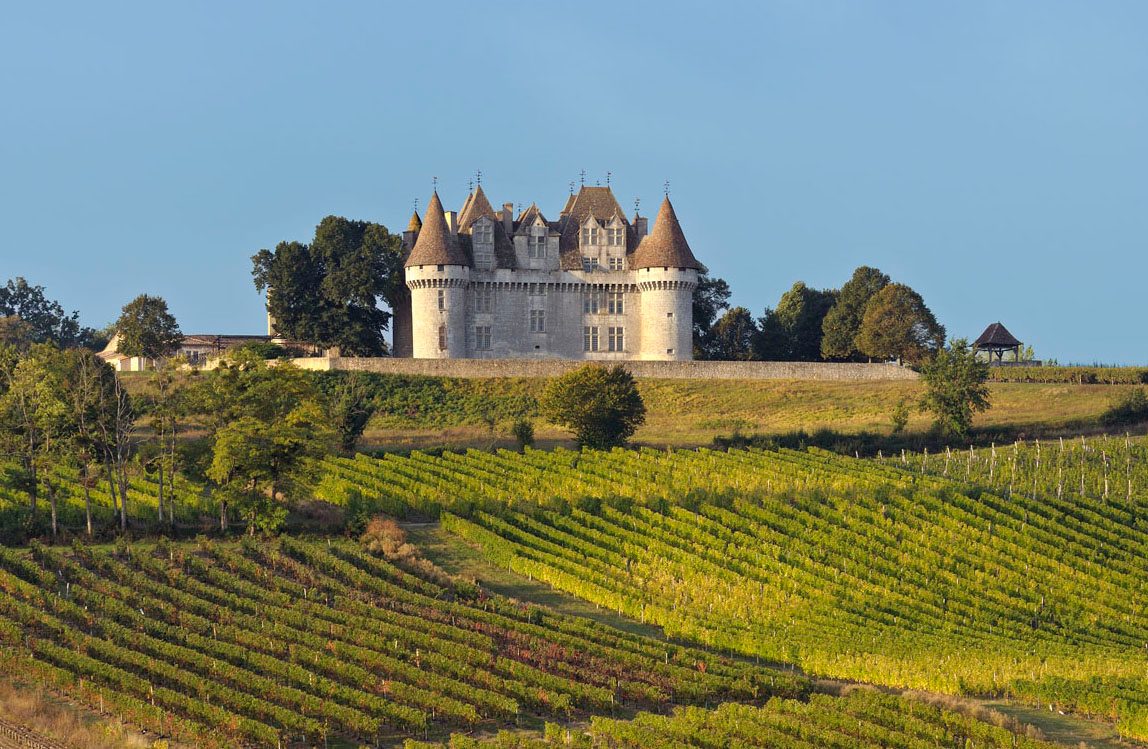
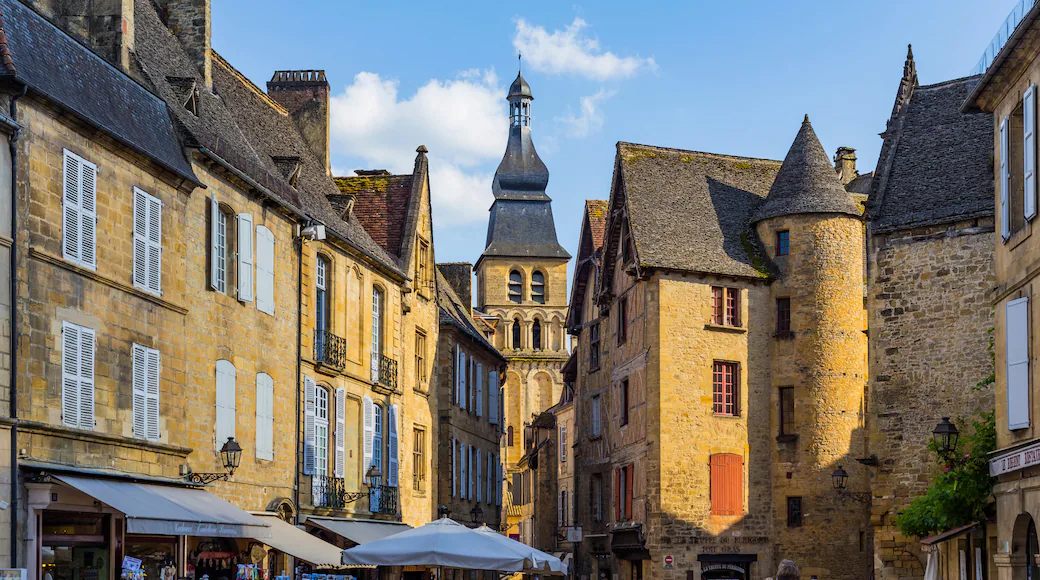
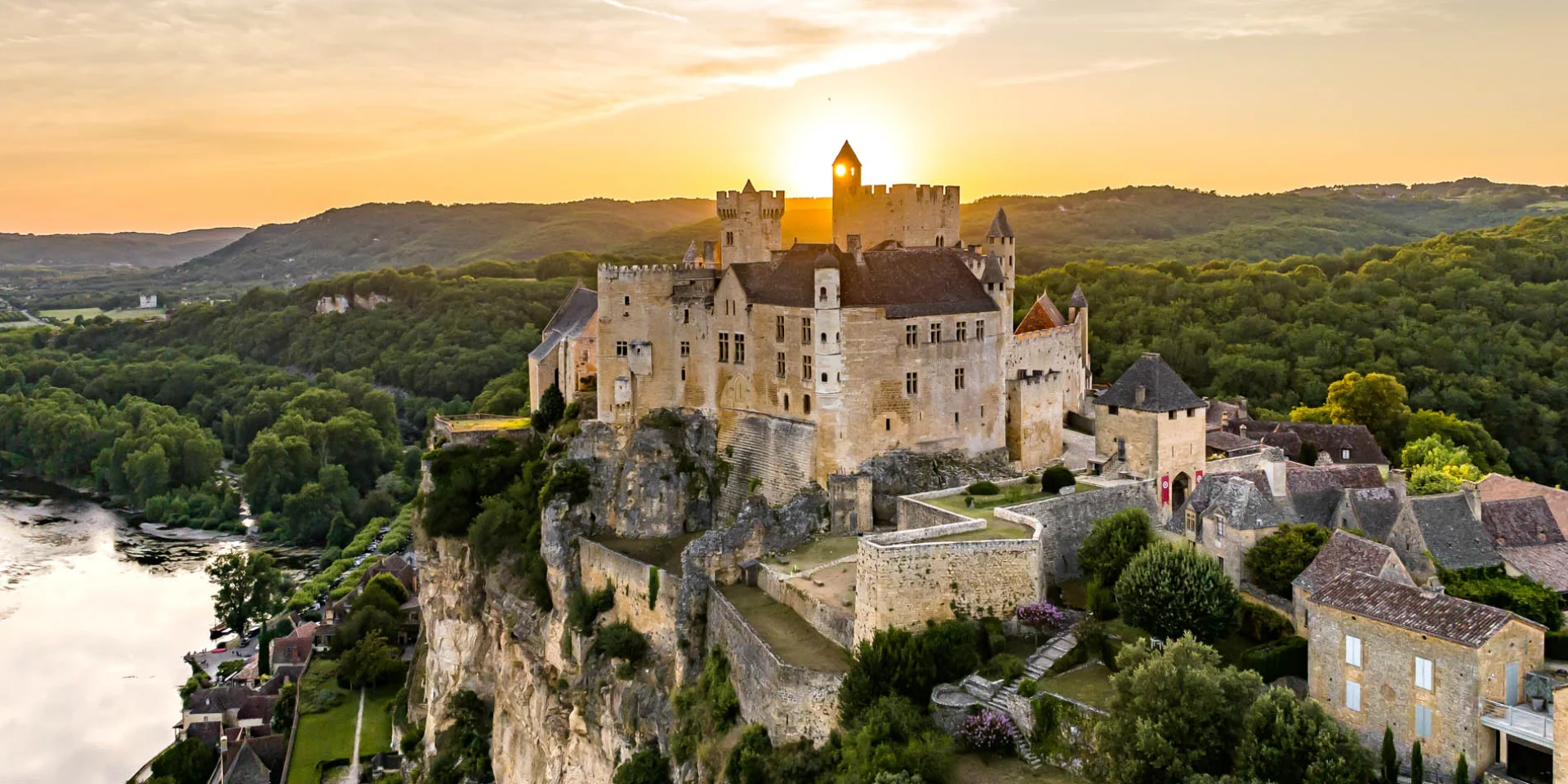
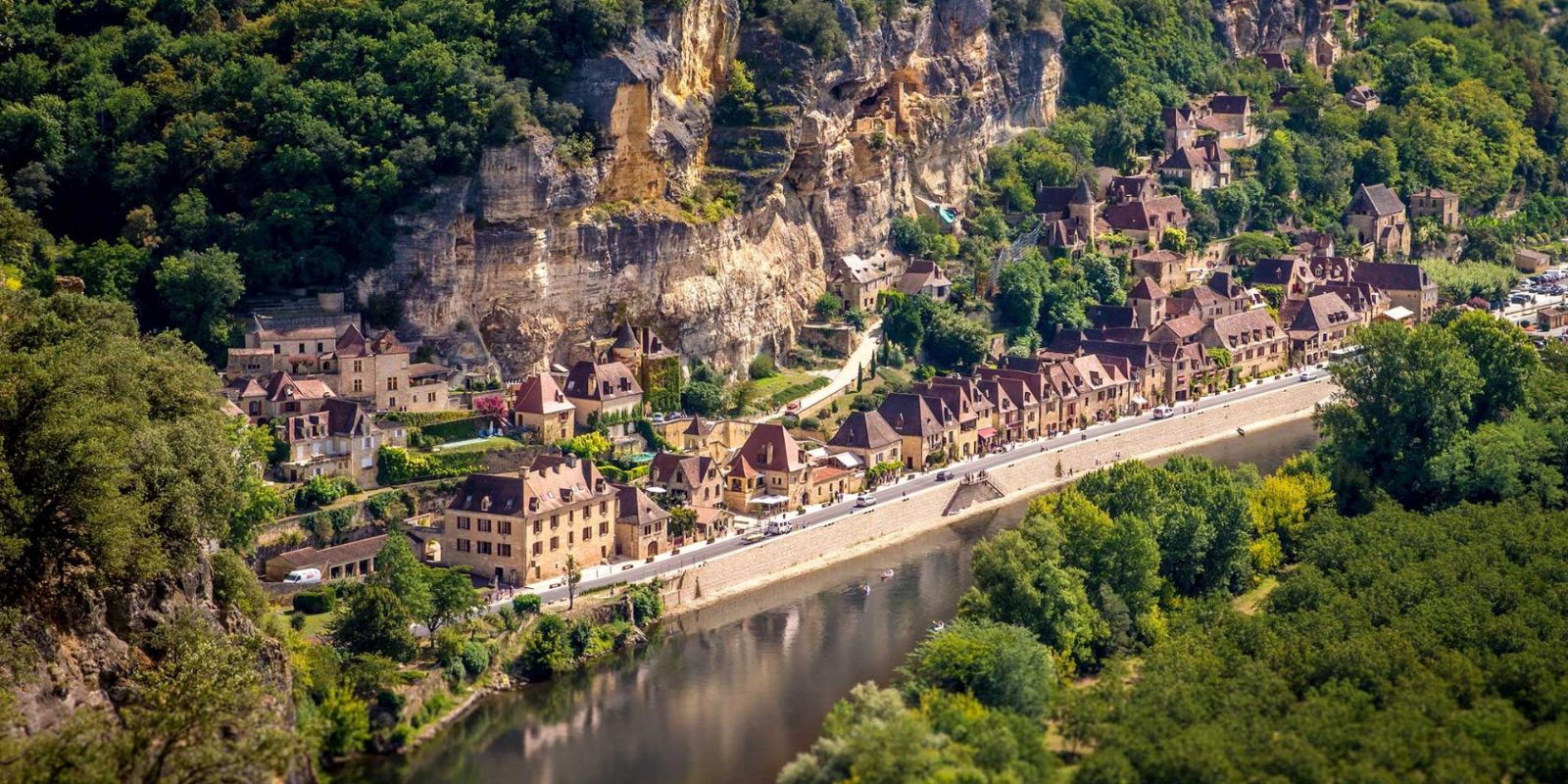
The distinction matters less for boundaries than for cultural subregions. Périgord Noir centers on Sarlat-la-Canéda and the Vézère Valley, named for its dense oak forests and dark truffles. Périgord Blanc takes its name from the pale limestone around Périgueux, the department capital. Périgord Vert covers the wetter, greener northern hills, and Périgord Pourpre refers to the vineyard country around Bergerac, where autumn leaves turn wine-red. These color-coded zones do not appear on any administrative map, but they organize how residents and visitors understand the region's character.
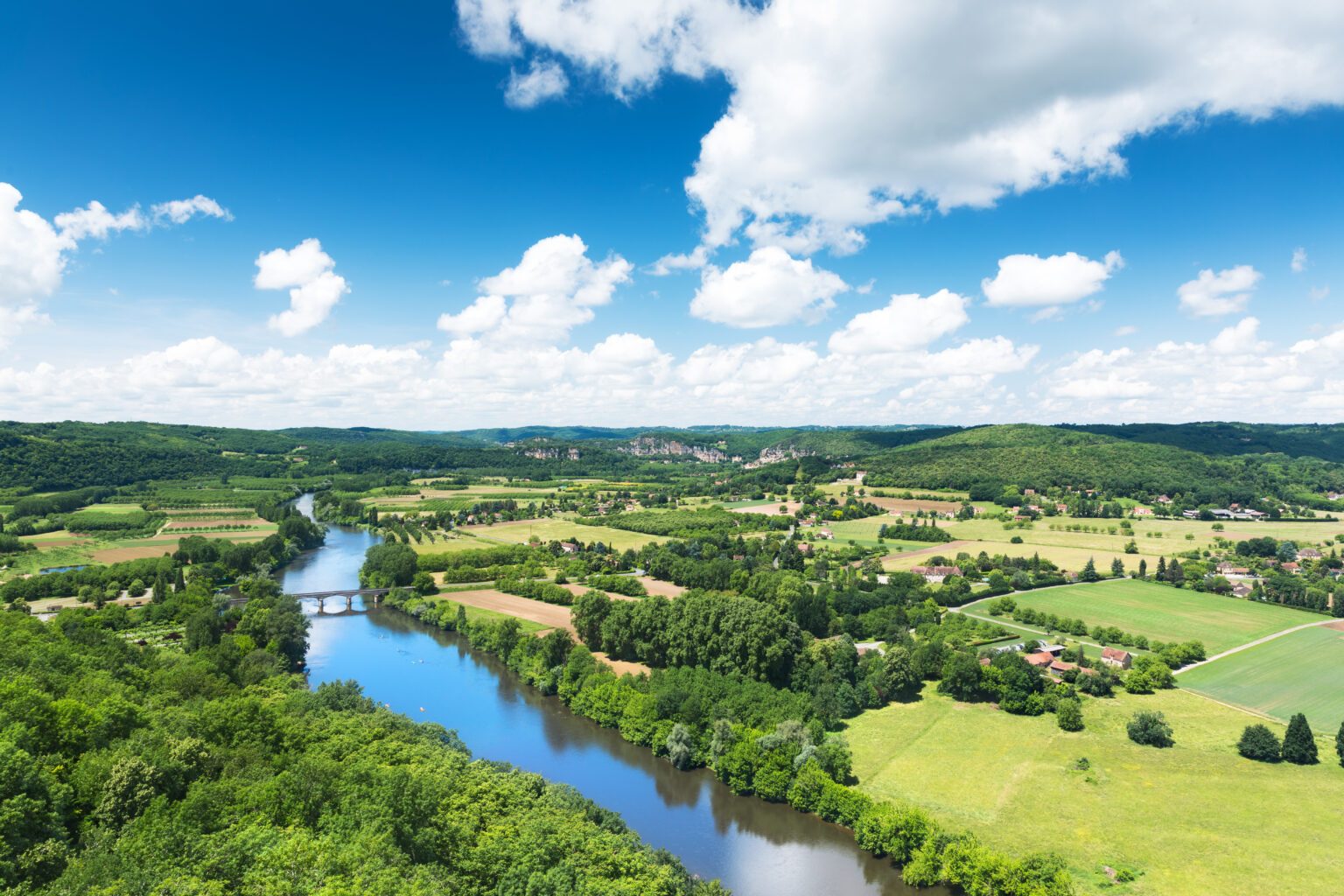
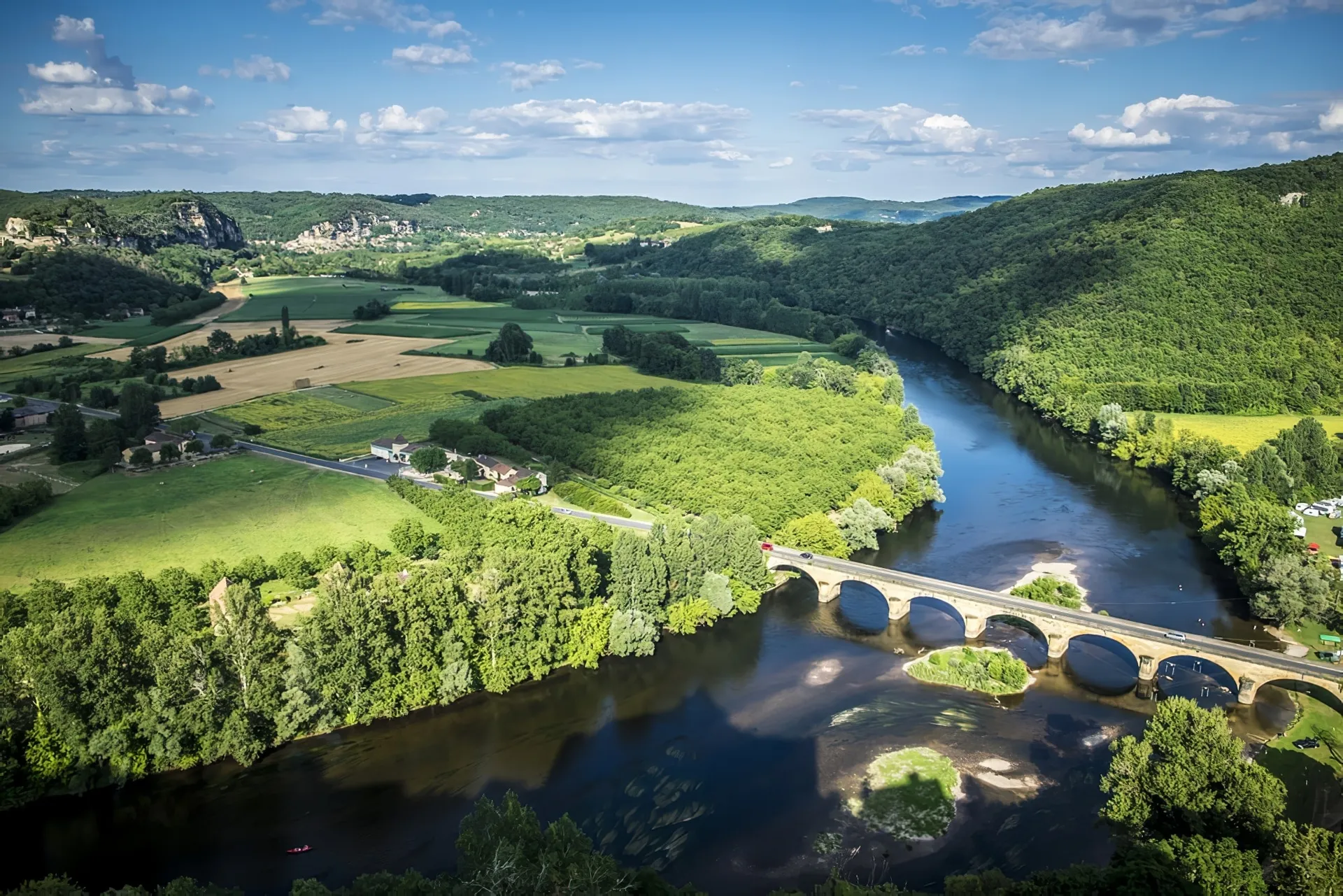
Is Perigord in the Dordogne? The question reverses the historical order—Périgord came first, and Dordogne is the name that replaced it on paper. Yet both remain in active use. A farmer might say he works in Périgord, while the postal address reads Dordogne. A restaurant serves Périgord walnuts and duck, but the tax office is the Dordogne prefecture. The river itself, the Dordogne, flows through Périgord Noir before continuing west into Gironde, which adds another layer: the waterway is longer and older than the department that borrowed its name.
For practical purposes, treat the two as synonyms when planning your visit. Dordogne appears on maps, highway signs, and official tourism websites. Périgord dominates guidebook indexes, hotel branding, and menu descriptions. Neither is wrong. The four-color Périgord system helps narrow your focus—if you want prehistoric caves and medieval bastides, head for Périgord Noir; if you prefer riverside markets and Renaissance architecture, Périgord Blanc delivers both. The department boundaries remain constant no matter which name you use, and the region itself—open year-round as a geographic and administrative entity—welcomes visitors under either label. The Dordogne department and Périgord occupy the same hills, valleys, and riverbanks; only the name on the sign changes depending on who put it there.